Exploring Sustainable Agriculture
Organic Farming Practices in South Africa
Discover the innovative techniques that are transforming agriculture across South Africa, focusing on sustainability and environmental stewardship.
Crop Rotation
Enhancing soil fertility and reducing pest cycles through strategic planting sequences.
Composting
Turning organic waste into nutrient-rich soil amendments to boost crop yields.
Pest Management
Implementing natural methods to control pests and promote healthy crop growth.

The Essence of Organic Farming
The Art of Crop Rotation
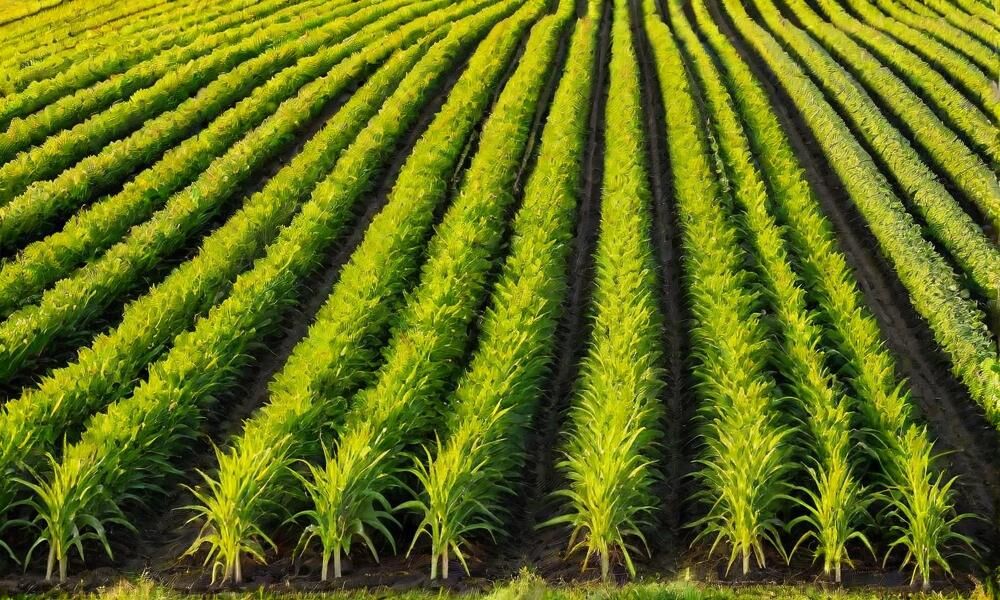
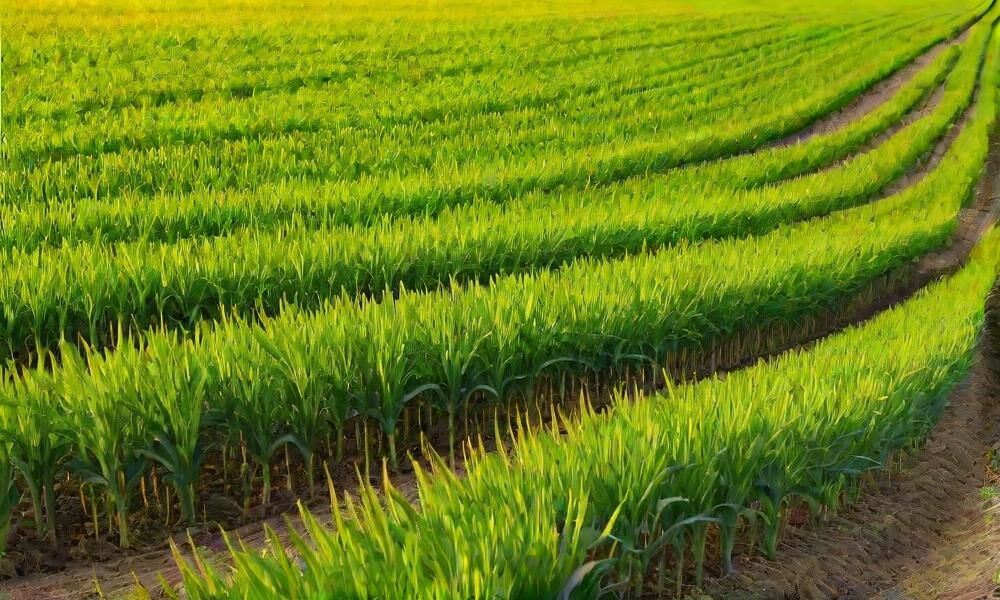
Crop rotation is a cornerstone of organic farming, involving the systematic planting of different crops in a specific sequence on the same land. This practice helps to prevent soil depletion, manage pests and diseases, and improve soil structure and fertility. By rotating crops, farmers can break pest cycles, reduce the need for chemical fertilizers, and enhance the resilience of their farming systems.
Understanding Composting
The Role of Composting in Soil Health
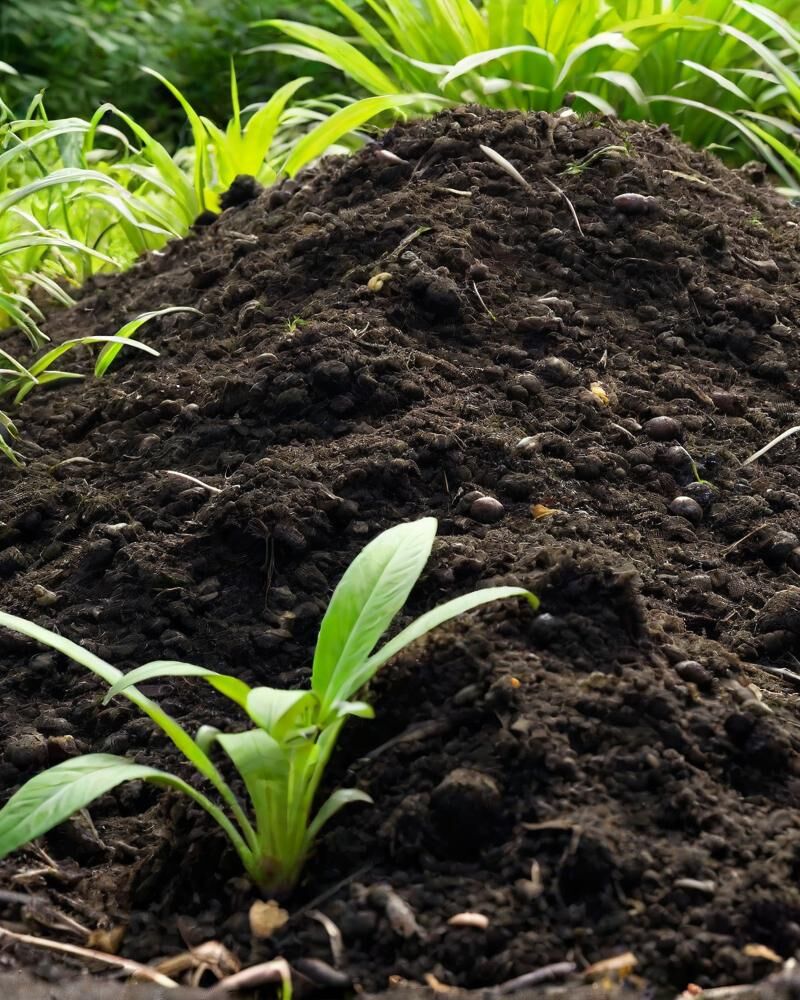
Composting is a natural process that transforms organic waste into nutrient-rich soil amendments. By decomposing plant and food waste, composting enhances soil structure, improves water retention, and supports beneficial microorganisms. In South Africa, farmers utilize composting to enrich their soil, reduce waste, and promote sustainable agriculture. This practice not only reduces the need for chemical fertilizers but also contributes to a healthier ecosystem.
Effective Pest Management
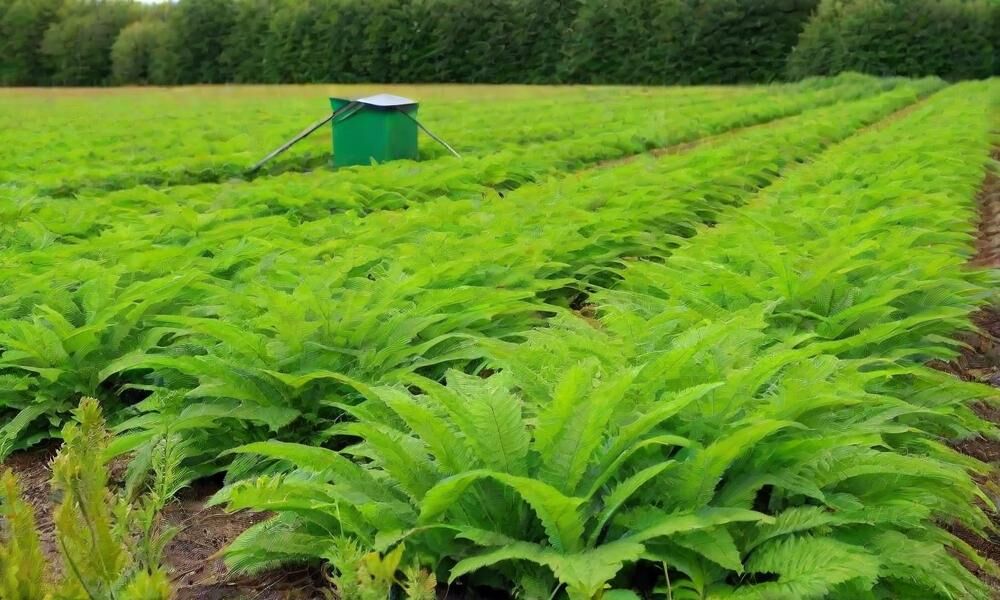
Organic farming in South Africa employs a variety of pest management techniques to protect crops without harming the environment. These methods include crop rotation, companion planting, and the use of natural predators. By understanding the life cycles of pests and their natural enemies, farmers can create a balanced ecosystem that minimizes pest damage. This approach not only safeguards crop health but also ensures the long-term sustainability of farming practices.
Sustainable Pest Control Methods
Implementing integrated pest management strategies helps maintain ecological balance. Techniques such as using neem oil, introducing beneficial insects, and practicing intercropping are popular among South African organic farmers. These methods reduce reliance on synthetic pesticides, promoting a healthier environment and safer food production. By adopting these practices, farmers contribute to the resilience and productivity of their agricultural systems.
What Our Farmers Say
“Since adopting composting, our soil quality has improved significantly. The crops are healthier, and we’ve seen a noticeable increase in yield. It’s a game-changer for sustainable farming.”

Thabo M.
Organic Farmer, Eastern Cape
“Using natural pest management techniques has transformed our farm. We no longer rely on harmful chemicals, and our produce is thriving. It’s a win-win for us and the environment.”

Lindiwe N.
Eco-Friendly Grower, KwaZulu-Natal
“The shift to organic practices, especially composting and pest control, has been incredibly beneficial. Our farm is more productive, and we’re proud to contribute to a sustainable future.”

Sipho K.
Green Agriculture Advocate, Western Cape
Discover the Benefits of Organic Farming
Join us in exploring sustainable agricultural practices that are transforming South Africa. Learn how techniques like crop rotation, composting, and natural pest management can lead to healthier crops and a healthier planet. Dive into the world of organic farming today!