Understanding Organic Farming
Principles of Organic Agriculture
A seed knows more about resilience than a dozen manuals; in South Africa, the soil’s memory decides the harvest. “The soil is a living library!” a veteran farmer whispers, and organic farming training teaches us to read its pages. Each field becomes a text to interpret, not conquer.
Understanding organic farming principles means tracing life from root to leaf. Healthy soil—teeming with humus, fungi, and moisture—feeds the canopy. Biodiversity thwarts trouble without poisons; a closed nutrient cycle returns compost to the bed, not the abyss. The art is to listen, not force.
- Soil biology as foundation
- Diverse habitats and crops
- Natural pest management
For farms from the Karoo to the coast, these ideas translate into enduring resilience. In our organic farming training, observation, diaries, and locally adapted practices weave together, turning shadow and sunlight into a cooperative ecology. The aim is not domination, but harmony, persistence, and informed stewardship.
Soil Health and Fertility Management
South Africa’s soil teaches resilience with a quiet voice; those who listen grow harvests that outlast seasons! In organic farming training, soil health is a living conversation—humus, moisture, and microbial life talking with roots.
- Soil organic matter and humus building
- Soil biology and microbial life
- Moisture retention and soil structure
Fertility rests on three quiet pillars: soil biology, structure, and the steady replenishment of minerals through compost and green manures. The aim is balance—keeping life and nutrients in the bed while moisture and organic matter cooperate.
From Karoo clay to coastal loam, this vision becomes practical through patient observation and field diaries. The approach anchors training that translates soil readings into decisions that honor cycles rather than override them.
Pest and Disease Management in Organic Systems
Across South Africa, farms embracing ecological pest strategies report up to a 25% reduction in crop losses when pests and diseases are managed through diverse allies rather than poisons. In organic farming training, this is not chance but design—ecology guiding every management choice.
Pest and disease management in organic systems is a listening practice: monitor outbreaks through regular field scouting, identify pest lifecycles, and align actions with natural rhythms. Favor ecological balance, crop diversification, and resilient varieties to reduce disruptions and keep plant communities harmonious.
In the South African veld, local knowledge and field diaries help distinguish signals—blights, rusts, or leaf spots—from weather quirks. The aim is restraint, letting the ecosystem set the tempo rather than overpower it.
Crop Rotation and Biodiversity
Crop rotation is the quiet engine; in South Africa’s veld, disciplined cycles cut pest pressure by up to 25% and steady the harvest when rains falter. A rotating palette invites roots to sing, soil microbes to awaken, and the season to breathe!
Biodiversity flourishes when farmers design crop families, timing, and cover crops to weave a living mosaic.
- Build soil life with varied root exudates
- Disrupt pest and disease lifecycles
- Enhance nutrient cycling through complementary plant teams
In organic farming training, these ideas become a language—more than inputs, a choreography. We learn to read field diaries, align with natural rhythms, and trust the ecosystem to set tempo.
Record-Keeping and Farm Audits
Across South Africa’s sunlit veld, farms that keep detailed records weather erratic rainfall with steadier harvests—co-ops report up to 25% more predictable yields in tough seasons. Understanding organic farming training means embracing a language of logs, notebooks, and audit trails; it turns intuition into a map you can trust when the rains fail and markets shift. This is where science and memory kiss, where every input, decision, and observation finds a home in the ledger.
- Inputs, suppliers, batch numbers, and certificates to verify organic integrity
- Field maps, calendars, pest and disease notes, and harvest logs for traceability
- Audit-ready records of compost, soil amendments, and certification milestones
This practice lends credibility and continuity to farming operations across the country, from the Karoo to the Highveld.
Training Methods and Curriculum Design
Hands-On Field Training
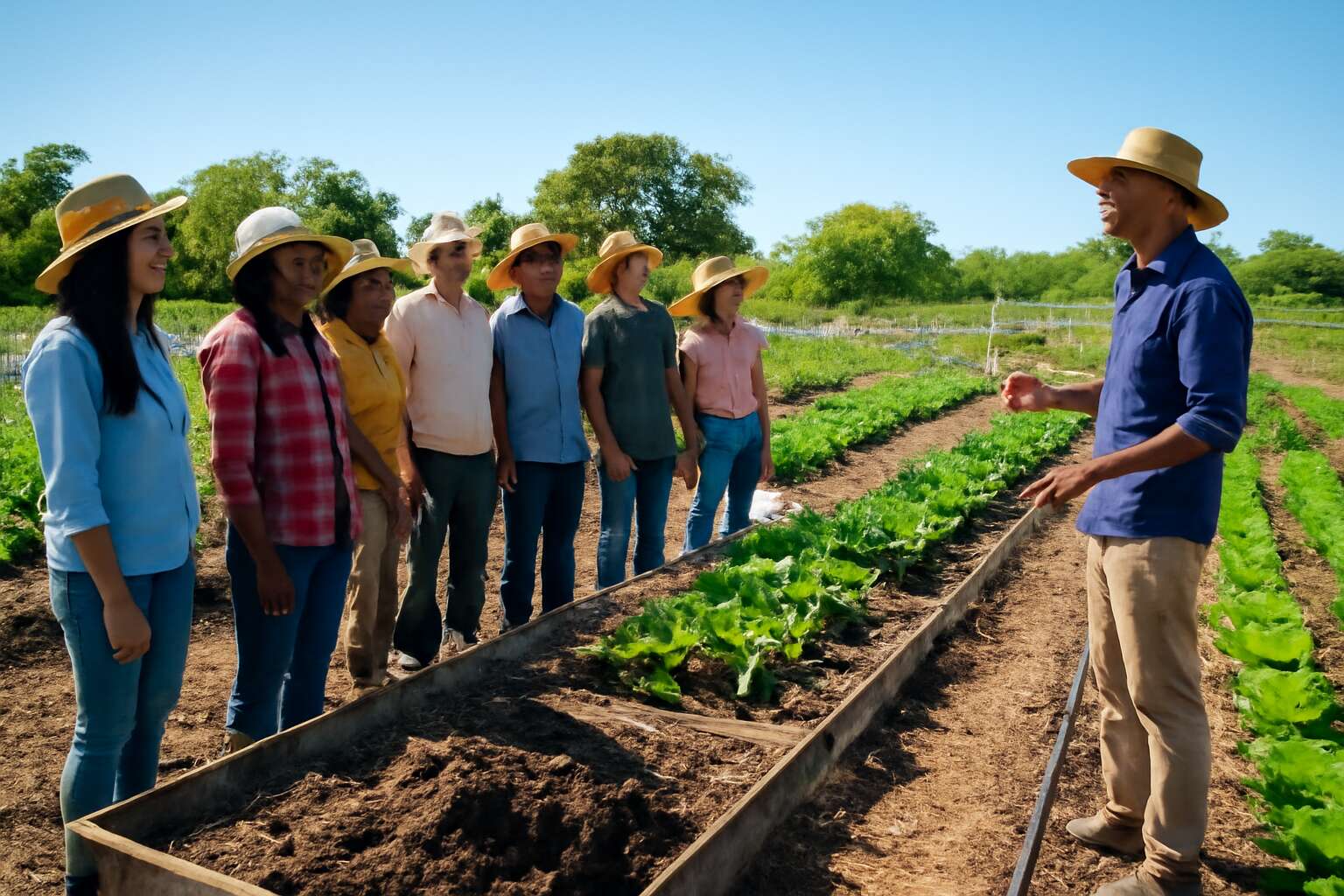
In the whispering veld, the curriculum for organic farming training fuses doctrine with dirt-streaked reality. Theory moves like smoke beside the blue-sky field, yet true mastery is earned where hands meet soil, weather marks the day, and patience keeps watch. Hands-On Field Training anchors every module in living systems, guiding learners to read soil moisture, observe micro-life, and draft seasonal plans with measured resolve. The design honors South Africa’s smallholder rhythms while courting innovation.
Training methods emerge as a living toolkit:
- Demonstrations in real plots that show crop selection and cover crops in cadence with seasons
- Mentored field days where learners diagnose issues using simple tools
- Reflective journals and group critiques that turn each day into a living lesson
That approach keeps the curriculum tactile and memorable, translating old-world wisdom into modern compliance while preserving a cadence as haunting as moonlit furrows.
Classroom Theory Modules
Across South Africa, 68% of aspiring farmers say the classroom should translate into field-ready judgment—that appetite powers organic farming training forward with a wink and a shovel.
Training Methods and Curriculum Design Classroom Theory Modules blend lively debate with disciplined learning. The approach favors narrative, inquiry, and bite-sized theory that sticks like clay on hands. The curriculum pairs modules with feedback loops that keep pace with changing seasons and soil stories.
- Systems thinking and data literacy for soil and climate, without jargon
- Seasonal planning, risk assessment, and adaptive management
- Certification pathways, regulation, and market access essentials
Digital Learning and E-Labs
Digital learning and E-Labs illuminate pathways for organic farming training across South Africa, turning long lectures into nimble, field-ready practice. Learners zoom through modular content on accessible devices, digesting bite-sized theory and applying it in simulated farm environments that feel like a real sunrise on the veld. These digital threads weave flexibility with rigor, letting students earn micro-credentials as they go.
- Interactive micro-lectures that fit between markets and rains
- Virtual soil and climate simulations for immediate feedback
- Mentor-supported E-Labs that build confidence before stepping into the field
Curriculum design aligns digital content with seasonal cycles and regulatory realities, keeping organic farming training practical, high-trust, and locally relevant. The result is a learning journey that respects time, honors biodiversity, and invites curious hands to grow with confidence.
Assessment and Skill Validation
Across South Africa, organic farming training programs report that 68% of participants gain sharper decision-making and steadier harvests within a single season.
Within organic farming training, methods weave adaptable learning with real-world practice, employing micro-lessons, field simulations, and mentor-guided projects that echo the rhythms of the veld. Key approaches include:
- Adaptive learning pathways
- Hands-on field trials
- Real-time mentor feedback
- Progressive credentials along the journey
Assessment and Skill Validation are embedded in the journey through performance demonstrations, reflective portfolios, and on-farm audits, culminating in recognized digital credentials.
- Observation of practical skills
- Portfolio evidence
- On-farm verification
- Credential issuance
Adaptive Training for Small-Scale and Urban Farms
Sixty-eight percent of participants report sharper decisions and steadier harvests in a single season, a striking sign of impact across practical learning ecosystems. Within organic farming training, methods blend adaptive pathways with real-world practice, guiding small-scale and urban farmers toward a deeper, steadier bond with their land.
Curriculum design foregrounds relevance over jargon, with modular blocks that fit busy schedules. Learners move through hands-on field trials and reflective activities, earning progressive credentials as they demonstrate mastery. The approach respects pace while sharpening decision-making under pressure.
Core elements include:
- Contextual curricula tailored to South Africa’s climates
- On-site and urban micro-plot projects
- Mentor networks linking rural and city growers
- Flexible digital and offline learning options
Certification, Standards, and Compliance
National and Global Organic Standards
Standards are the quiet engines of trust, a mentor whispered as dawn pressed against thorny fields. In South Africa, organic farming training reveals how Certification, Standards, and Compliance gate the path to green markets, where every harvest carries a stamped promise of integrity.
Across borders, the architecture of certification unfolds in three core layers:
- National organic standards and accredited certifiers
- Global frameworks that shape soil health, pest management, and traceability
- Audits, ongoing compliance checks, and transparent record-keeping
When these currents are understood, farmers navigate local regulation while accessing international markets, turning uncertainty into a disciplined art and keeping the harvest as pure as the dawn light.
Certification Process and Timelines
In a crowded market, certification is the quiet passport that lets your harvest cross borders. From my experience in South Africa, the certification process is less about stamps and more about discipline, planning, and transparency. The path is laid out in clear stages.
- Application and profile declaration
- On-site inspection to verify farming practices and record-keeping
- Certification decision with defined timelines for corrective actions
- Surveillance audits and renewal to maintain the seal
These steps translate to tangible outcomes for organic farming training, converting classroom theory into practiced integrity and building buyer trust from the dawn to the market.
Audit Readiness and Documentation
Certification waits like a quiet dawn over the fields, but it isn’t stamped seals alone that grant passage. In South Africa, the gate swings for farmers who keep transparent records and disciplined practices. Standards demand more than compliance; they demand a living memory of every input, harvest, and decision—and that memory is forged through organic farming training, a discipline that glows with truth.
To align with those standards, readiness rests on tangible pillars:
- Documentation readiness: traceable inputs, field histories, and record-keeping that survives inspection
- Standard alignment: mapping practises to national/global organic standards
- Audit readiness: on-the-spot verification, corrective action timelines
- Surveillance mindset: continual improvement and renewal as a habit
That alignment makes every shipment a testament, turning dawns of effort into market trust.
Costs and Accessibility of Certification
A striking stat lingers in the field in South Africa: farmers who engage in organic farming training see certification milestones drop by half, as dawn meets the gate with a practiced nod. Certification isn’t a single stamp; it’s a discipline woven from standards, records, and lived practice!
Standards demand more than good intentions; they require transparent inputs and traceable field histories. Compliance costs accumulate—inspection fees, documentation, travel—and yet training turns those costs into manageable steps. Accessible paths exist: online courses, regional workshops, and cooperative support that ease travel and share expenses across villages.
Readiness through training is strategic; I’ve seen how aligning daily choices with the expectations of certifiers and buyers turns field notes into evidence. When practice meets standard, certification becomes navigable and humane, a shared journey that respects budgets and the labour of on-farm life.
Post-Certification Compliance and Recordkeeping
Post-certification life isn’t a victory lap; it’s a daily ledger you actually use. Certification isn’t a single stamp; it’s an ongoing discipline that upholds standards, transparent inputs and traceable field histories. That practical rigor is baked into organic farming training, turning compliance into workable habits and giving buyers the confidence they crave. When daily choices align with certifiers’ expectations, the post-cert journey feels navigable rather than labyrinthine.
- Digital recordkeeping linking inputs, field notes, and harvest outcomes
- Clear traceability tags from seed to sale
- Concise, staff-friendly audit checklists that travel with the crew
Post-certification audits arrive; with a robust system they’re routine across South Africa rather than adrenaline fuel. A disciplined approach saves time, protects budgets, and keeps soils thriving—proof that training pays dividends beyond the stamp.
Practical Pathways and Resources
Starter Programs for Beginners
Across South Africa’s fast-evolving farming scene, nearly 60% of first-year participants in starter programs report higher confidence after engaging in hands-on organic farming training. Practical Pathways and Resources Starter Programs for Beginners offer a gentle ladder into the craft, tailored for smallholders, urban gardeners, and budding co-ops across the country. It’s learning with wit, practicality, and a respect for hard-earned soil.
Pathways blend on-farm practice with concise theory, supported by an accessible resource library. Instead of clunky jargon, it centers on practical decisions—composting cycles, soil-smart watering, and season planning aligned with local climates. Starter programs arrange mentor pairings, on-site demonstrations, and collaborative circles that turn beginners into confident participants.
- Orientation and onboarding tailored to regional farming realities
- On-site demonstrations and supervised practice
- Mentor support and peer networks to sustain momentum
Here, in South Africa’s diverse agricultural tapestry, such starter programs turn curiosity into capability, letting communities grow with purpose—and a pinch of humor.
Advanced Training for Farm Managers
In South Africa’s long-shadowed fields, 68% of farm managers report sharper decisions after advanced training. Practical Pathways and Resources for Advanced Training elevate that spark into strategic governance, delivering manager-focused instruction within the organic farming training spectrum.
From on-farm simulations and scenario-based budgeting to climate-informed scheduling, the program builds leadership that can steer diverse operations through drought and abundance alike.
- On-site leadership simulations
- Scenario-based budgeting and risk playbooks
- Mentor-led peer circles and coaching
- Standards alignment and supply-chain collaboration
It’s not whispers in a classroom; it’s hands-on, mentor-led progress that sustains momentum across seasons.
Community College and Extension Partnerships
“In soil and stories, partnership is a seed that remembers.” Across South Africa’s diverse farms, Practical Pathways and Resources Community College and Extension Partnerships stitch classroom theory to field wisdom. They connect aspiring growers with extension agents, local colleges, and seasoned mentors, turning organic farming training into a living, breathing career path rather than a lone farmer’s diary. This network opens doors for urban growers and rural stewards alike, weaving access to localized curricula, stackable credits, and hands-on placements.
- On-site demonstrations and farm visits
- Credit-bearing courses through community colleges
- Mentor-led field days and extension workshops
With every field day and mentor chat, the program paints a future where harvests reward patience and knowledge. The partnerships celebrate South Africa’s farming spirit and extend it into classrooms, markets, and homes, weaving resilience into every season and every harvest!
Online Courses and MOOCs
<pKnowledge travels faster than the seasons. Online courses and MOOCs are shaping organic farming training across South Africa, letting growers learn where they work and when they harvest. Practical Pathways and Resources curates flexible, bite-sized modules that fit busy schedules and remote locations, a lifeline for urban growers and rural stewards alike.
Here’s what makes these online offerings work:
- Flexible pacing to fit field days and markets
- Certificates and stackable credits for formal recognition
- Localized content, mobile-ready and downloadable resources
With mentorship, peer reviews, and project-based tasks, organic farming training becomes practical and portable—no matter the plot size or soil type. The format invites curiosity, reduces learning friction, and keeps the soil in sight while knowledge travels far.
Field Visits and Mentorship Programs
The field remembers what the classroom forgets, and in South Africa, practical field visits turn aspiring growers into stewards of soil and season. Practical pathways fuse hands-on learning with local mentors, turning theory into tangible harvests and resilient systems. Organic farming training gains depth when learners walk real plots, observe soil life, and hear the wind in the leaves.
Field visits and mentorship programs link growers with seasoned practitioners who share adaptable methods for smallholders and urban farmers alike. They offer on-site demonstrations, resource libraries, and a cadre of mentors who illuminate routine tasks and long-term planning. A sample pathway includes:
- On-site demonstrations and seasonal planning
- Mentor-supported soil-building and crop rotations
- Local seed banks and compost networks
These elements cultivate confidence, community, and lasting impact across South Africa’s diverse landscapes, amplifying organic farming training.

0 Comments