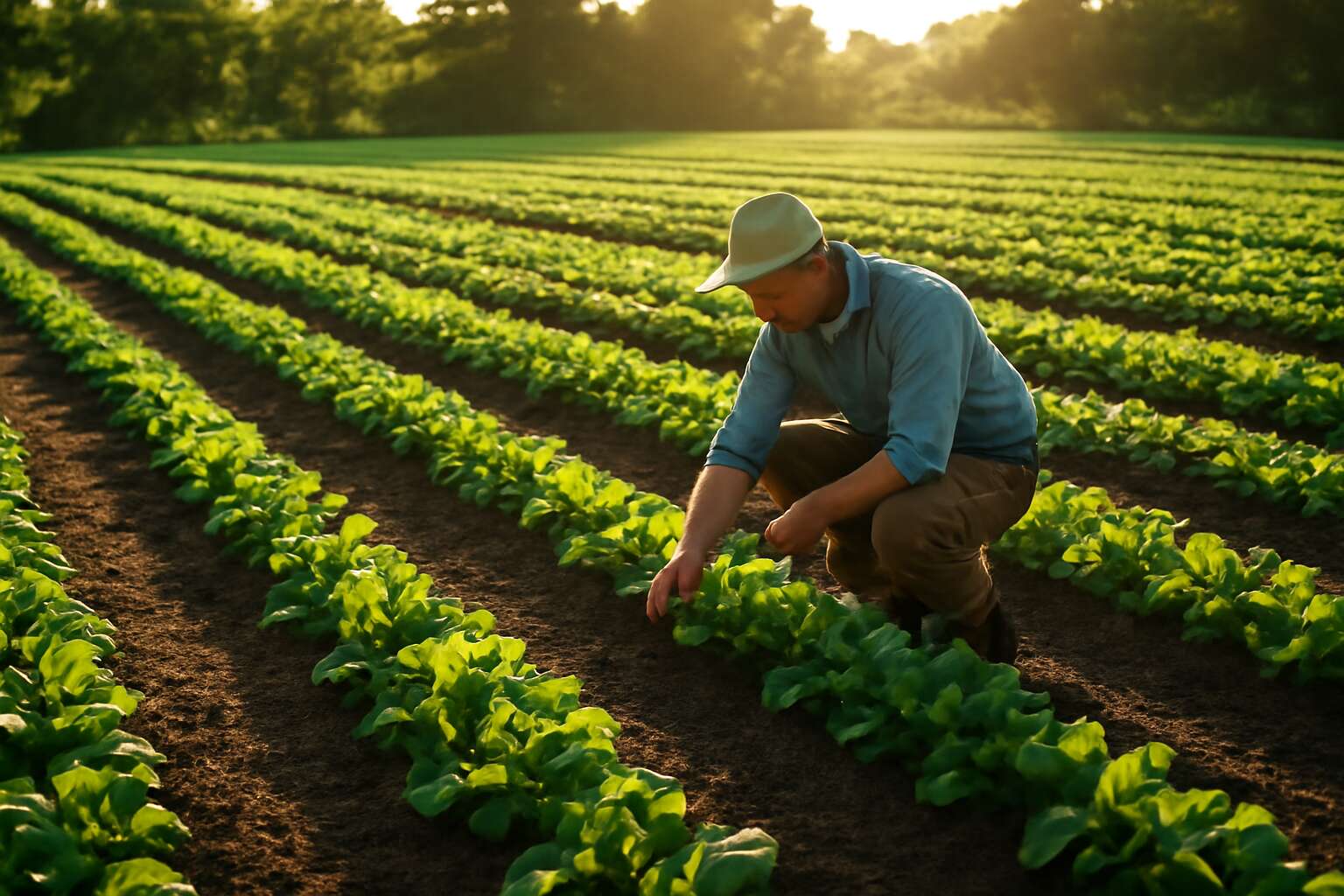
Meaning and Scope of Organic Farming
Foundations of Organic Farming
Across South Africa’s sun-kissed valleys, farming feels like a conversation between soil and people. The road to nourishment grows gentler as interest in sustainable methods rises; what organic farming means stretches beyond a label and into a stewardship of water, soil, and community.
Its foundations are simple yet profound:
- Healthy soil life sustains crops and stores carbon.
- Biodiversity builds resilience against pests and climate stress.
- Transparent inputs and fair certification protect farmers and consumers.
In practice, the scope reaches soil health, ecosystems, and the people who tend them. I’ve watched smallholders in KwaZulu-Natal see soils recover when compost and cover crops replace harsh inputs—farming that feeds both body and conscience!
Soil Health and Biodiversity
Across South Africa, seasoned fields under organic care often show soil organic matter creeping upward—some farms reporting gains of up to two percentage points within a few growing seasons—proof that gentler hands can coax more life from earth!
I read the land as a living ledger, where fertility springs from living systems rather than empty inputs. It clarifies what organic farming means: a pact with soil, water, and community.
Broader scope in practice unfolds into these threads:
- Soil biology as the engine of nourishment
- Resilient ecosystems that temper pests and drought
- Open, fair certification that aligns farmer and buyer
In the silent hours after sunset, this scope feels like a covenant I keep: to steward water, to honor living soil, to listen to the land’s quiet heartbeat.
Certification, Standards, and Compliance
Across South Africa, certified organic farms open doors to retailers and export markets, a clear signal that integrity travels with the product. “Certification is a compass,” a seasoned inspector once told me, and it guides many hands toward consistent practices. To answer what organic farming means in everyday practice, certification anchors standards beyond taste and tradition.
Meaning and scope: standards cover soil handling, pest management, labeling, and record-keeping, all verified by accredited bodies. Compliance isn’t a one-off rite; it’s ongoing, with annual audits and transparent traceability from field to pack. The framework borrows from global bodies like IFOAM-Organics and is tailored to South Africa through national protocols and local certification partners.
- Independent audits
- Transparent traceability
- Honest labeling and marketing
- Continual improvement through farm- and process-based measures
Together, these elements shape what organic farming means for South African farms, customers, and communities.
Practical Adoption and Market Impact
South Africa’s organic story isn’t a dusty myth—it’s a living proof that demand drives practice. In markets from Gauteng farm stalls to Cape Town shops, organic produce is gaining value and visibility; last year, sales grew in double digits. So what organic farming means is a living system that blends soil life, biodiversity, and market trust into one practical package. It’s about farming that respects cycles, not deadlines.
Practical adoption shows up as cover crops, crop rotation, compost, and water stewardship. Farmers tune these rhythms to local climates, record with care, and work with buyers who insist on honest provenance. It’s not a cult; it’s commerce with compost.
- Retail partnerships that value transparent sourcing
- Export-ready supply chains with clear origin
- Community benefits and farm viability

0 Comments