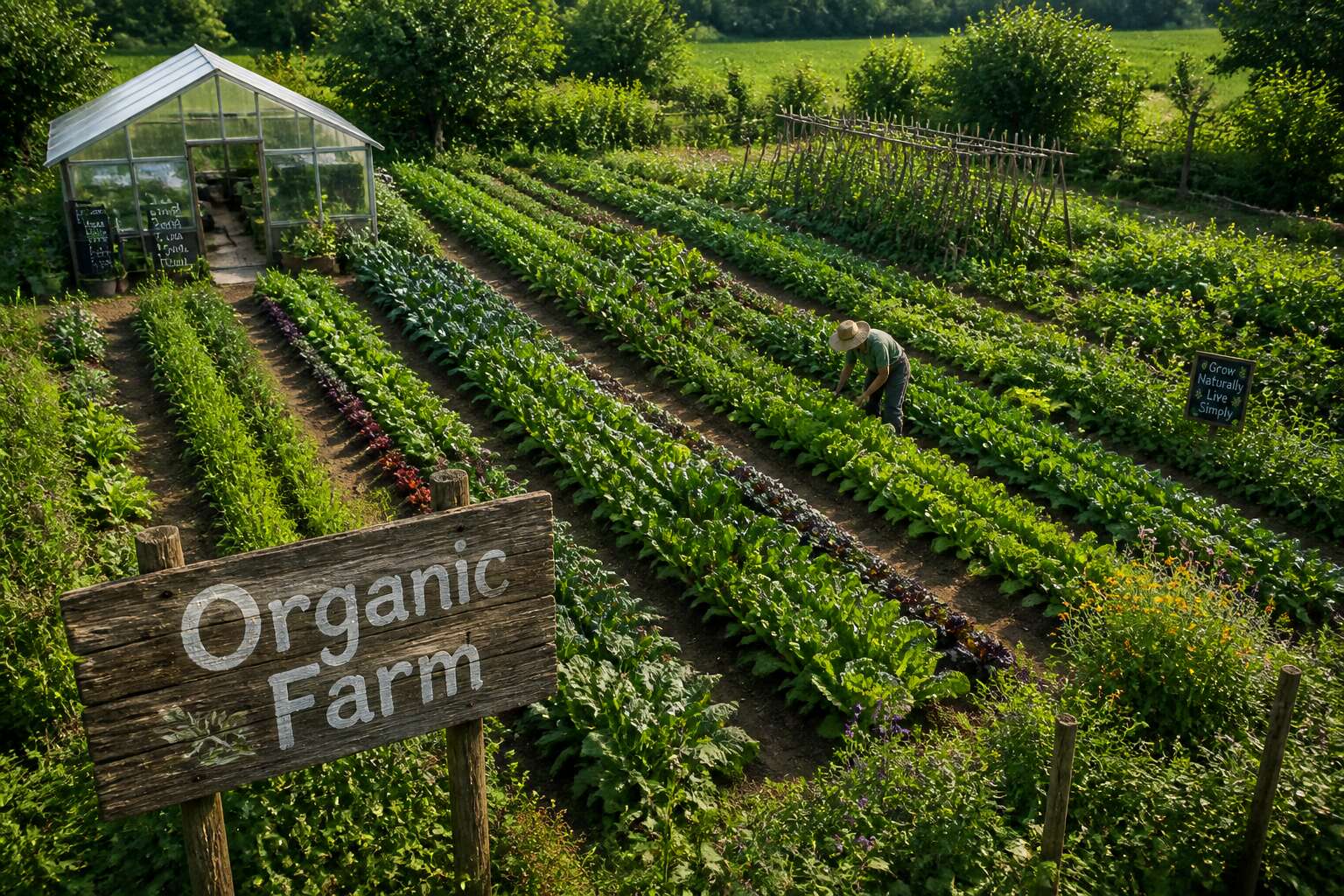
Evaluating the Organic Farm Franchise Market
South Africa’s organic sector is growing, with retail sales climbing noticeably each year. Yet, this boom invites a particular kind of opportunist. The organic farming franchise market is currently a mixed basket, containing both resilient business models and ventures that are, to put it politely, romantic.
Evaluating an opportunity requires a cold eye for the logistics that actually determine success. Water rights are the first conversation, not the last. Soil certification timelines, often taking three years, will demand capital before you see a cent of return. A franchise might promise a turnkey operation, but the land itself rarely comes with a guarantee of fertility.
I find it peculiar how often the conversation focuses on the produce, when the supply chain is the true test of character. You must scrutinise the franchisor’s plan for distribution with the suspicion of a Johannesburg motorist facing a four-way stop.
A sound evaluation should consider these points:
1. The specific water allocation and borehole yields for the proposed site.
2. The true length of the certification period and who funds the gap.
3. The distance to high-end retail markets in Cape Town or Johannesburg.
4. The franchisor’s own track record with actual crop failures, not just glossy balance sheets.
The most successful operators treat this like a utility business, not a pastoral retreat. They understand that the organic farming franchise model offers eco-conscious consumers a clean product, but the margin lies in consistency. If you are not prepared to interrogate the cost of heirloom seeds and the volatility of diesel prices, the market will do the interrogating for you.
Key Components of a Successful Organic Farming Business Opportunity
Only 2% of South African farmland uses organic methods, yet buyer demand keeps rising. That mismatch creates a genuine opening for an organic farming franchise. But success depends on the unglamorous parts, the logistics and the land health.
A practical franchise should include three foundational tools:
– Shared cold storage units so small local farmers can preserve for export
– Independent soil testing labs that verify plant residue
– Traceability software for each production lane
The organic farming franchise model works when it respects local labour realities. I have seen operations collapse from packing delays and heat stress. Every season demands precise movement. Without those, the business feel crushing.
Financial Considerations for Prospective Organic Farm Investors
Starting an organic farming franchise in South Africa demands a clear-eyed look at your balance sheet. The initial outlay often surprises newcomers, with land preparation, soil certification, and water infrastructure consuming a hefty chunk of capital. I have watched investors underestimate these costs by nearly a third, only to scramble later. Recurring royalties and compliance fees add up too, so plan for them honestly!
Consider these financial pillars:
- Land and soil readiness expenses
- Certification and audit costs
- Labour training for organic methods
Cash flow is the real test, since crops take seasons to mature. Patience pays off, but only if you maintain a reserve fund. An organic farming franchise provides structure, yet your personal financial discipline determines success.
Marketing and Growth Strategies for Organic Farm Franchisees
In South Africa, the organic farming franchise offers a rare blend of purpose and profit. I have seen franchisees thrive by treating their land as a living system. Growth demands more than good soil. It demands a clear story. Your customers want to know where their food comes from. Every market day, that journey deserves honesty!
A strong local network multiplies your reach. Partnerships with schools, restaurants, and community groups work well. Social media shows daily rhythms, not polished perfection. The most effective franchisees share common habits:
- They post harvest moments without filters.
- They respond to every comment with a personal note.
This consistency builds trust, which drives repeat sales. In my experience, an organic farming franchise succeeds when you connect deeply with your neighbours and their tables. Showing up and telling your truth grows your base.
Overcoming Challenges in the Organic Agriculture Franchise Sector
The path of an organic farming franchise in South Africa is rarely smooth. Load shedding interrupts irrigation. Pests ignore organic certificates. And the market demands consistency that nature refuses to guarantee.
To thrive, owners must adapt quickly. We learned to plan for everything, yet expect the unexpected. Concrete steps helped us:
- Diversify crops to spread risk
- Invest in soil health from day one
- Build direct relationships with local buyers
These actions do not eliminate challenges. They make them manageable. Patience remains our greatest asset. Growing food organically teaches you that control is an illusion, but resilience is not.


0 Comments