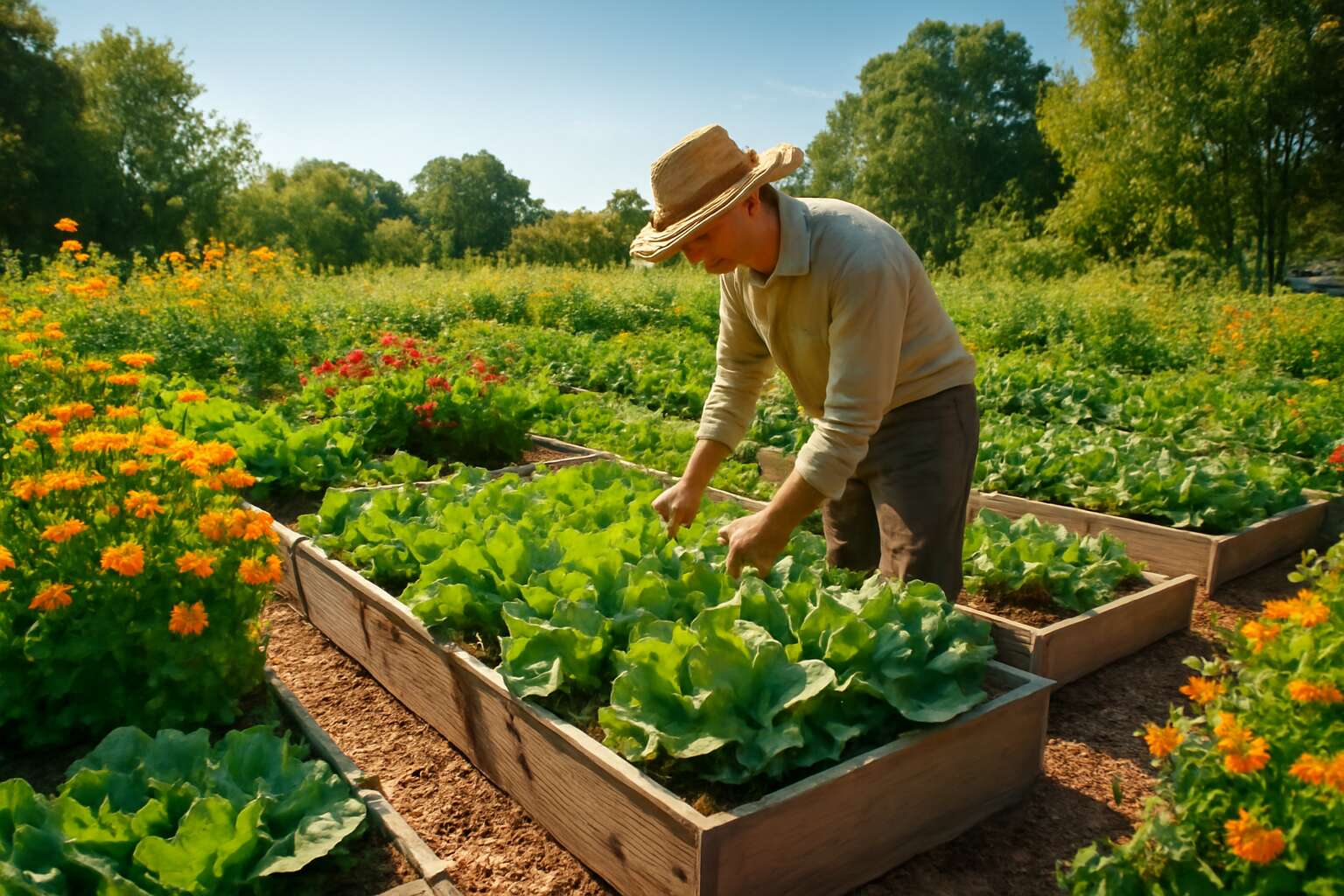
Comprehensive outline for an organic farming initiative
Soil health and fertility management
Across South Africa, soil degradation erodes up to 40% of potential harvests. Fresh soil, not flashy slogans, makes every harvest sing. In SA fields, the backbone of any organic farming project is soil health and fertility management that lasts beyond a single season! We’ll build a practical blueprint that aligns local climates, compost quality, and water stewardship with resilient yields.
The comprehensive outline centers on three pillars and ongoing monitoring. We’ll build practical steps that translate into soil vitality across climates and farm scales.
- Baseline soil health and fertility assessment
- Organic matter stewardship through composting and green manures
- Biodiversity in cropping and residue management
- Soil microbiology and biology‑oriented approaches
Pest disease and weed management using organic methods
Across South Africa, pest pressure can trim yields by up to 30% in challenging seasons. This organic farming project threads a comprehensive outline for pest disease and weed management using organic methods, drawing on scouting, ecological thresholds, biodiversity, and resilient cropping design. The aim is a durable balance: fewer chemical inputs and more natural checks, with a system that shifts with the seasons. The outcome is a harvest that speaks in a healthier, steadier cadence and respects the land’s own rhythms.
Key levers, framed for sustainability rather than quick fixes, unfold as a tapestry of approach rather than instruction:
- Crop diversity and habitat for beneficial insects
- Biological controls and selective bio-pesticides
- Sanitation, weed management through non-chemical means
- Cultural practices that interrupt pest life cycles
Water management and irrigation in organic farming
Water is the pulse of the land, and in South Africa, a single dry spell can redraw a season’s fate. Across many regions, up to 60% of irrigation water escapes through runoff, evaporation, and leaks. The story of soil and sun becomes a chorus of careful cradle—every drop counted, every drop cherished.
Our approach to water management blends rainwater harvesting, drip irrigation, mulching, and seasonal scheduling to align with rainfall patterns and soil moisture. Implementing these measures within an organic farming framework fosters resilience and steadiness, even in lean seasons.
- Drip irrigation and soil moisture control
- Rainwater harvesting and storage
- Mulching to reduce evaporation and heat stress
- Seasonal irrigation scheduling by crop and climate
In this organic farming project, water is treated as a living resource, guiding design and daily practice. The goal is fewer wasted drops, richer soils, and a harvest that moves with the land’s rhythms rather than buckling to meteorology.
Certification standards, compliance, and traceability
Traceability is the new currency in South Africa’s organic markets. This organic farming project treats certification as a living guarantee behind every harvest, not a checkbox. Records become the map from field to shelf, guiding inputs, rotations, and performance.
Key components of certification standards, compliance, and traceability include:
- Certification standards alignment with IFOAM and South Africa’s organic regulations
- Compliance checks for inputs, timing, and harvest practices
- Traceability systems from field to market with batch numbers
- Third-party audits and corrective action plans
- Documentation and labeling that ensure supply-chain transparency
This organic farming project shows how deliberate recordkeeping builds trust with retailers and consumers, while regulators and farmers stay aligned with local mandates.
Community engagement, economics, and scalability
Across South Africa’s sunlit valleys, trust is earned in the hum of collaboration as much as in the yield. This organic farming project holds a living guarantee: records, relationships, and shared purpose sustain every harvest. “We farm with our neighbours, not over them,” a veteran farmer told me, and the cadence guides our days!
To translate that vision into concrete practice, three pillars anchor community engagement, economics, and scalability.
- Community engagement and local co-ops that widen access to markets
- Economics that incentivize regenerative inputs, fair wages, and resilient cash flow
- Scalability through training, shared infrastructure, and phased expansion
In this way, the project grows not by decree but through shared purpose, turning good intentions into steady livelihoods and resilient landscapes.

0 Comments